
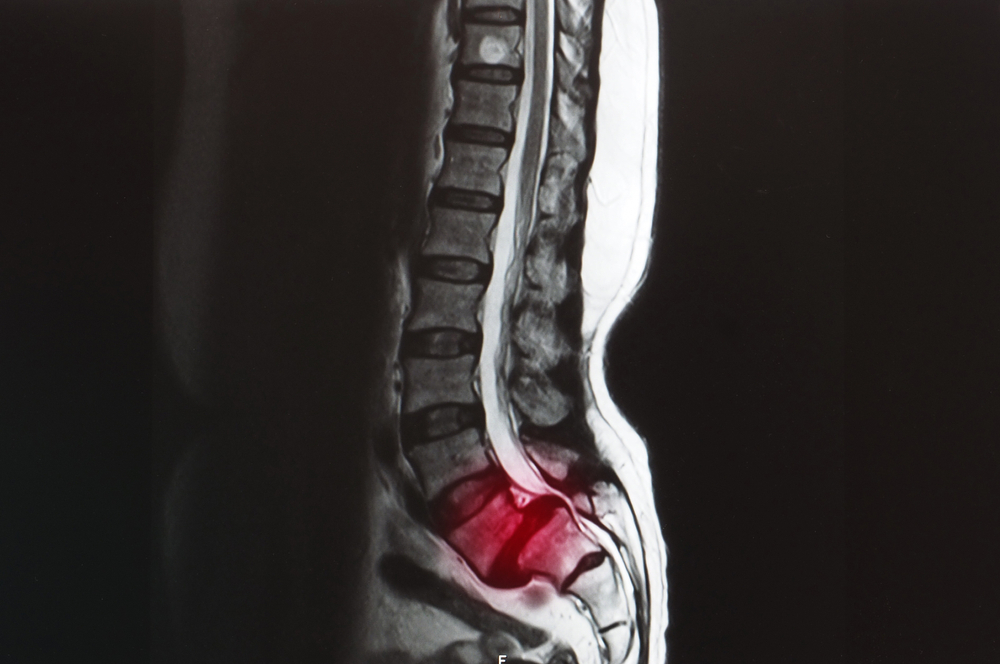
Spondylolisthesis is a spinal condition that occurs when one vertebra slips forward relative to the vertebra below it. This shift in alignment most commonly occurs in the lower spine (lumbar region) and can lead to back pain, nerve compression, and reduced spinal stability.
Depending on the degree of slippage, symptoms may range from mild discomfort to nerve-related symptoms affecting the legs.
Understanding Spondylolisthesis
The vertebrae of the spine are normally aligned in a way that allows for both stability and mobility. Strong ligaments, muscles, and joints help maintain this alignment while allowing the spine to move.
When one vertebra shifts forward relative to the one below it, the normal mechanics of the spine may be disrupted. This can place stress on surrounding structures and may contribute to nerve compression in some cases.
Causes of Spondylolisthesis
Several factors can contribute to the development of spondylolisthesis, including:
- Degenerative changes in the spine associated with aging
- Stress fractures of the vertebra (spondylolysis)
- Congenital spinal abnormalities
- Traumatic injury to the spine
- Degenerative arthritis affecting the facet joints
In younger individuals, spondylolisthesis is often related to stress injuries to the spine, which may occur during sports or activities that place repeated strain on the lower back.
Symptoms of Spondylolisthesis
Symptoms may vary depending on the severity of the vertebral slippage and whether nearby nerves are affected.
Common symptoms include:
- Lower back pain
- Tightness or stiffness in the lower back
- Pain that radiates into the buttocks or legs
- Numbness or tingling in the legs
- Muscle tightness in the hamstrings
Some patients may have mild vertebral slippage with few or no noticeable symptoms.
Diagnosis and Treatment
Diagnosis typically begins with a physical examination and imaging studies, such as X-rays, which can identify vertebral alignment and measure the degree of slippage. MRI or CT scans may also be used to evaluate nerve compression or other structural changes.
Many patients improve with conservative treatments, including:
- Physical therapy to strengthen the core and spinal support muscles
- Anti-inflammatory medications
- Activity modification
- Targeted spinal injections
If symptoms persist or if significant instability or nerve compression is present, surgical treatment may be recommended to stabilize the spine and relieve pressure on affected nerves.
When to Seek Evaluation
At Ocean Spine, Dr. Pranay Patel evaluates patients with spinal instability and degenerative spine conditions, including spondylolisthesis. Treatment plans are tailored to the patient’s symptoms, imaging findings, and overall spinal health.
If you are experiencing persistent lower back pain, leg pain, or symptoms that interfere with daily activities, an evaluation may help determine the cause and guide appropriate treatment.