
Degenerative Disc Disease
Your spinal discs act as cushions between the bones of the spine (vertebrae). These discs help absorb shock, allow the spine to move, and keep
Your spinal discs act as cushions between the bones of the spine (vertebrae). These discs help absorb shock, allow the spine to move, and keep

Facet joint syndrome refers to pain that originates from the facet joints of the spine. These small joints connect the vertebrae and help guide the movement

Spinal discs act as cushions between the vertebrae of the spine. These discs help absorb shock, support movement, and maintain flexibility within the spine. A herniated
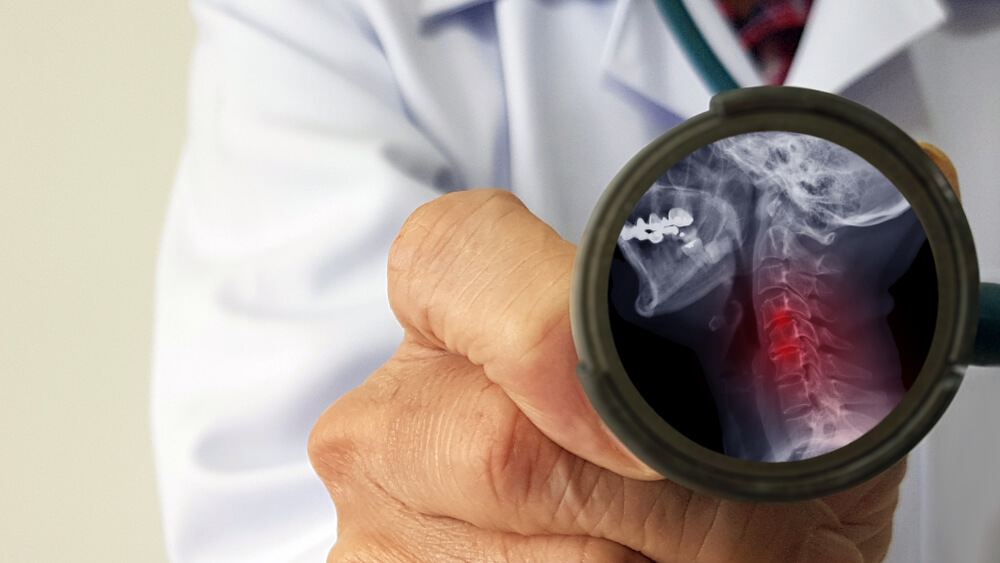
Myelopathy is a condition that occurs when the spinal cord becomes compressed, which can interfere with normal nerve signals traveling between the brain and the body.

Radiculopathy, commonly referred to as a pinched nerve, occurs when a nerve root in the spine becomes compressed or irritated. This compression can interfere with normal

Sacroiliac (SI) joint dysfunction occurs when the sacroiliac joints, located at the base of the spine where the sacrum meets the pelvis, become inflamed or irritated.
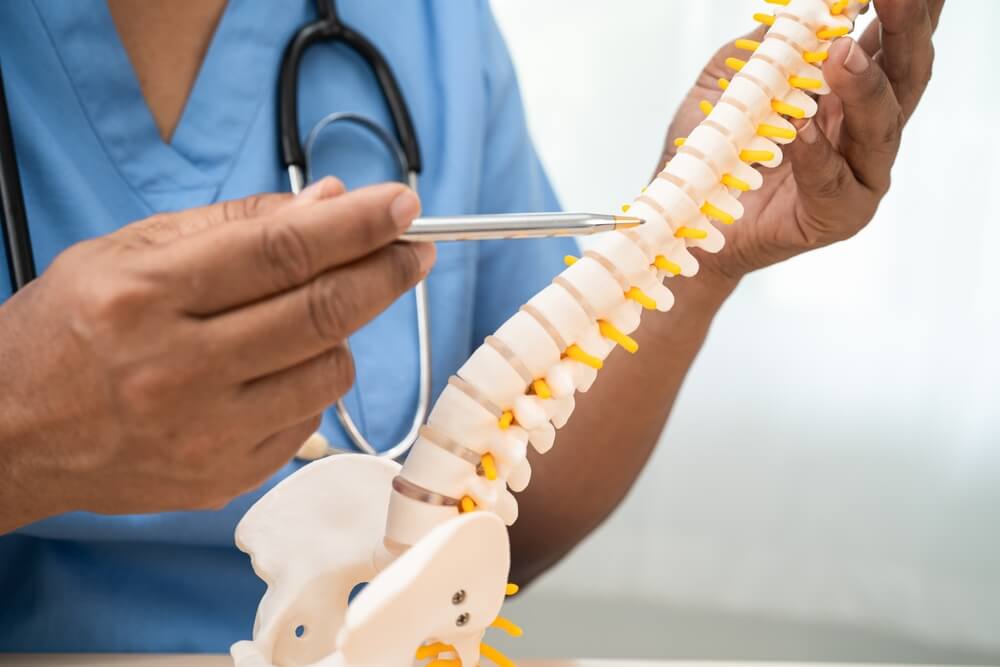
Sciatica refers to pain that radiates along the path of the sciatic nerve, the largest nerve in the body. This nerve travels from the lower back
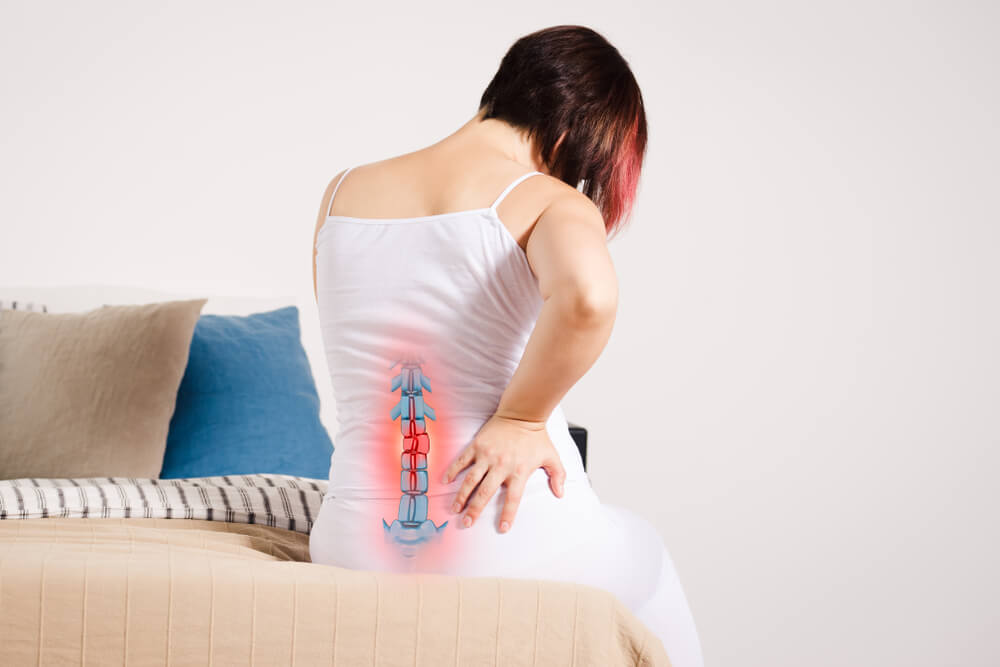
A spinal compression fracture occurs when one of the vertebrae in the spine collapses or becomes compressed. These fractures most commonly occur in the thoracic (mid-back) or lumbar

Spinal stenosis occurs when the spaces within the spine become narrowed, placing pressure on the spinal cord or the nerves that travel through the spine.
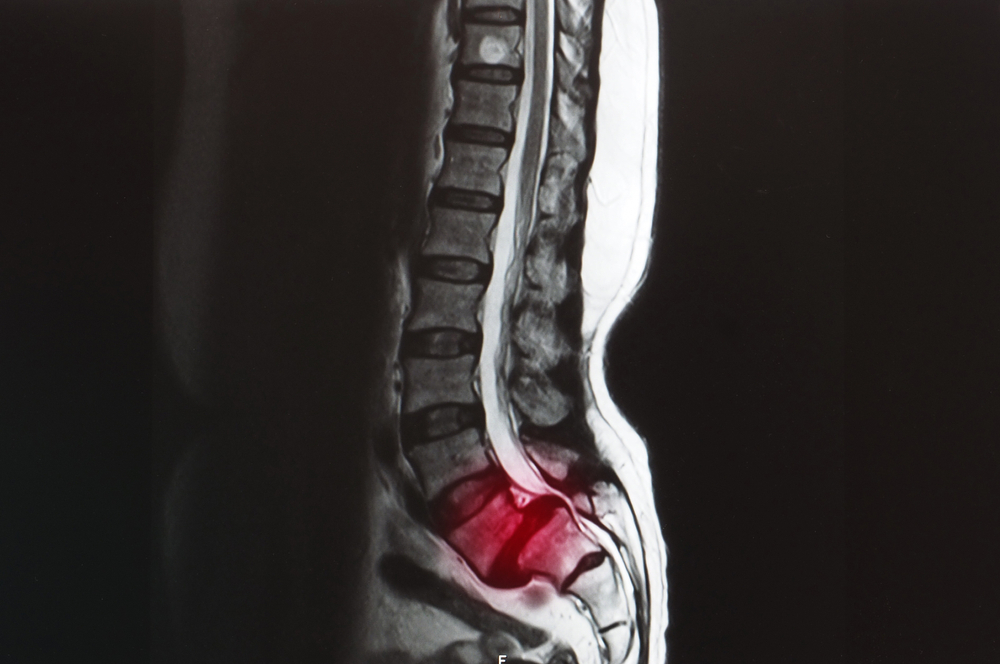
Spondylolisthesis is a spinal condition that occurs when one vertebra slips forward relative to the vertebra below it. This shift in alignment most commonly occurs