
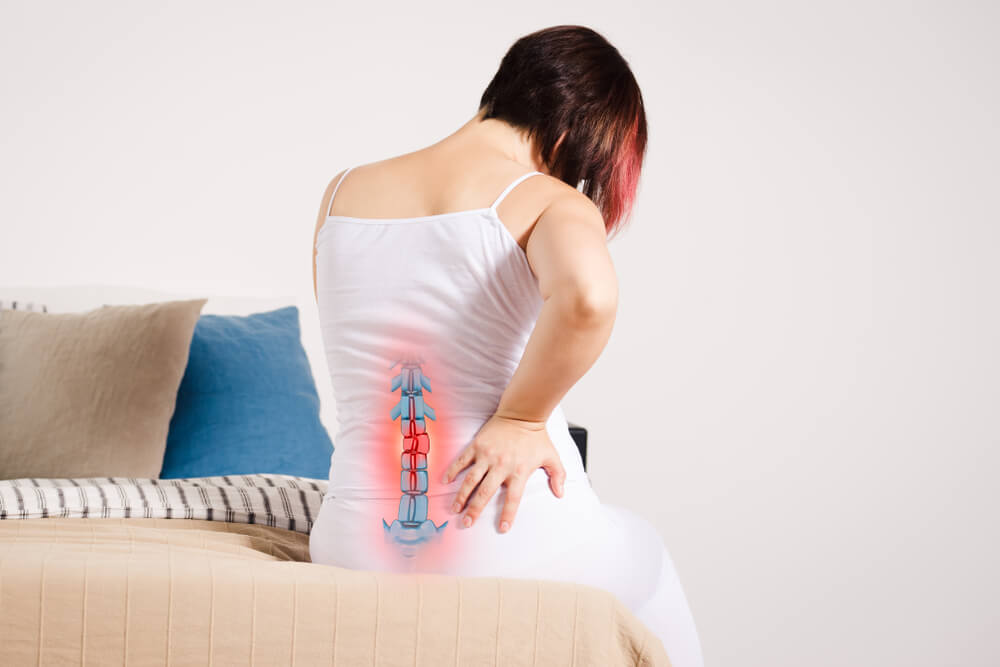
A spinal compression fracture occurs when one of the vertebrae in the spine collapses or becomes compressed. These fractures most commonly occur in the thoracic (mid-back) or lumbar (lower back) regions of the spine.
Compression fractures often develop when the bones of the spine weaken and are unable to support normal pressure. This is most commonly associated with osteoporosis, but fractures may also occur after traumatic injuries such as falls or accidents.
Depending on the severity of the fracture, patients may experience sudden back pain, loss of height, or changes in posture.
Understanding Compression Fractures
The vertebrae are the bones that stack together to form the spine and protect the spinal cord. When a compression fracture occurs, part of the vertebral body collapses, causing the bone to become wedge-shaped.
This collapse can lead to:
- Pain and inflammation in the spine
- Changes in spinal alignment
- Increased stress on surrounding vertebrae
- In severe cases, nerve compression
Multiple compression fractures may contribute to progressive spinal curvature, sometimes resulting in kyphosis, or forward rounding of the upper back.
Symptoms of a Compression Fracture
Symptoms may vary depending on the severity of the fracture but may include:
- Sudden onset of back pain
- Pain that worsens with standing or walking
- Pain that improves with lying down
- Reduced spinal mobility
- Loss of height over time
- Stooped or forward-leaning posture
Some patients, particularly those with osteoporosis, may experience compression fractures with minimal trauma.
Causes of Compression Fractures
The most common causes of spinal compression fractures include:
- Osteoporosis, which weakens the bones
- Traumatic injuries such as falls or car accidents
- Metastatic cancer affecting the spine
- Long-term steroid use
- Degenerative bone conditions
Osteoporosis-related fractures are particularly common in older adults.
Diagnosis and Treatment
Diagnosis begins with a physical examination and imaging studies, such as X-rays, which can identify vertebral compression. In some cases, MRI or CT scans may be used to evaluate the fracture in greater detail and determine whether nerves are affected.
Treatment depends on the severity of the fracture and the patient’s symptoms.
Many patients improve with conservative treatments, including:
- Activity modification
- Pain management medications
- Bracing to support the spine
- Physical therapy
In certain cases, minimally invasive procedures such as vertebral augmentation (vertebroplasty or kyphoplasty) may be recommended to stabilize the fractured vertebra and reduce pain.
When to Seek Evaluation
At Ocean Spine, Dr. Pranay Patel evaluates patients with spinal fractures and other conditions affecting the stability of the spine. Treatment plans are tailored to each patient’s symptoms, imaging findings, and overall bone health.
If you experience sudden or persistent back pain following a fall or injury, or if you have osteoporosis and develop new back pain, a spine evaluation may help determine the cause and guide appropriate treatment.